Sections: Conditions

  • Diabetes foot care

    Diabetes foot care

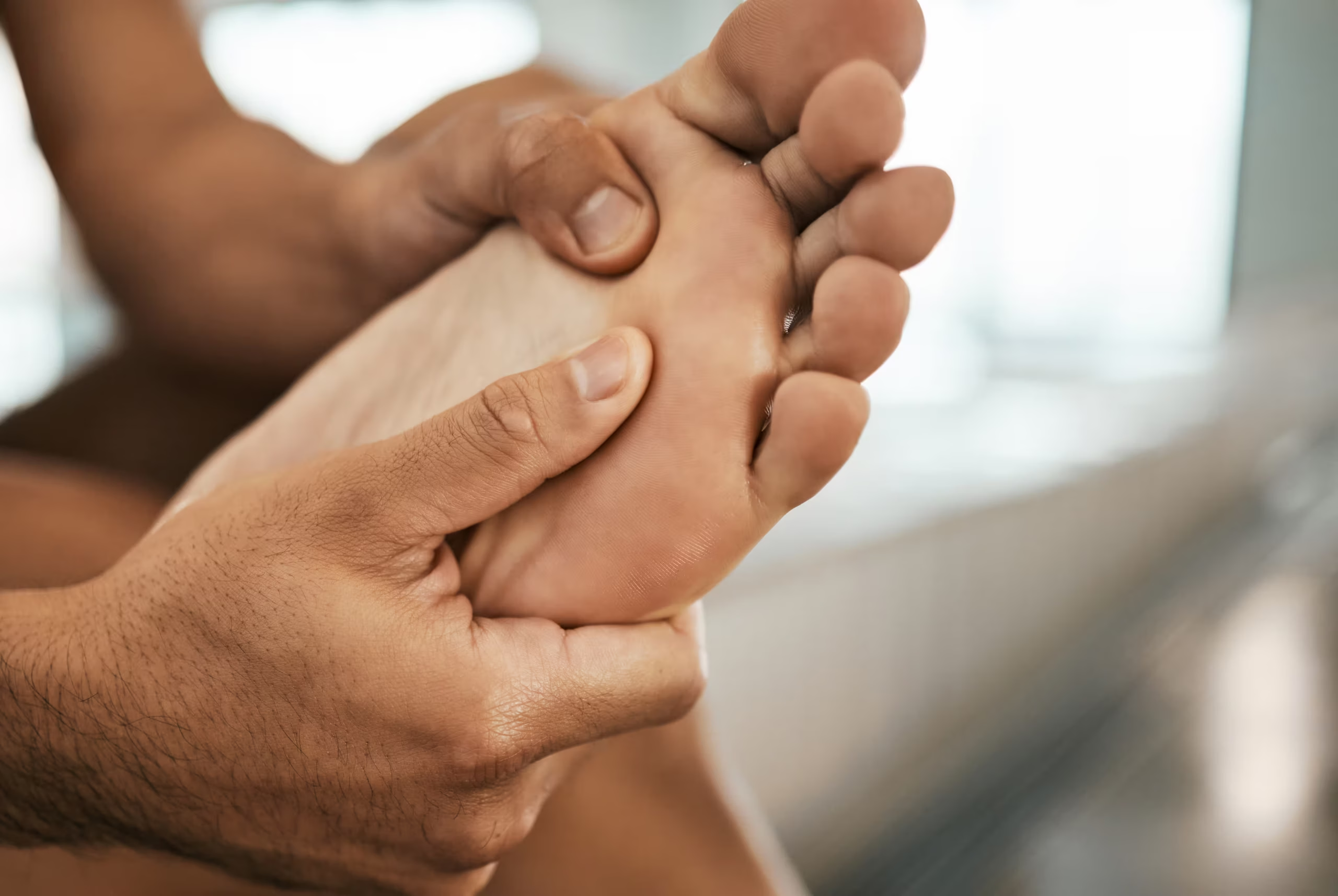
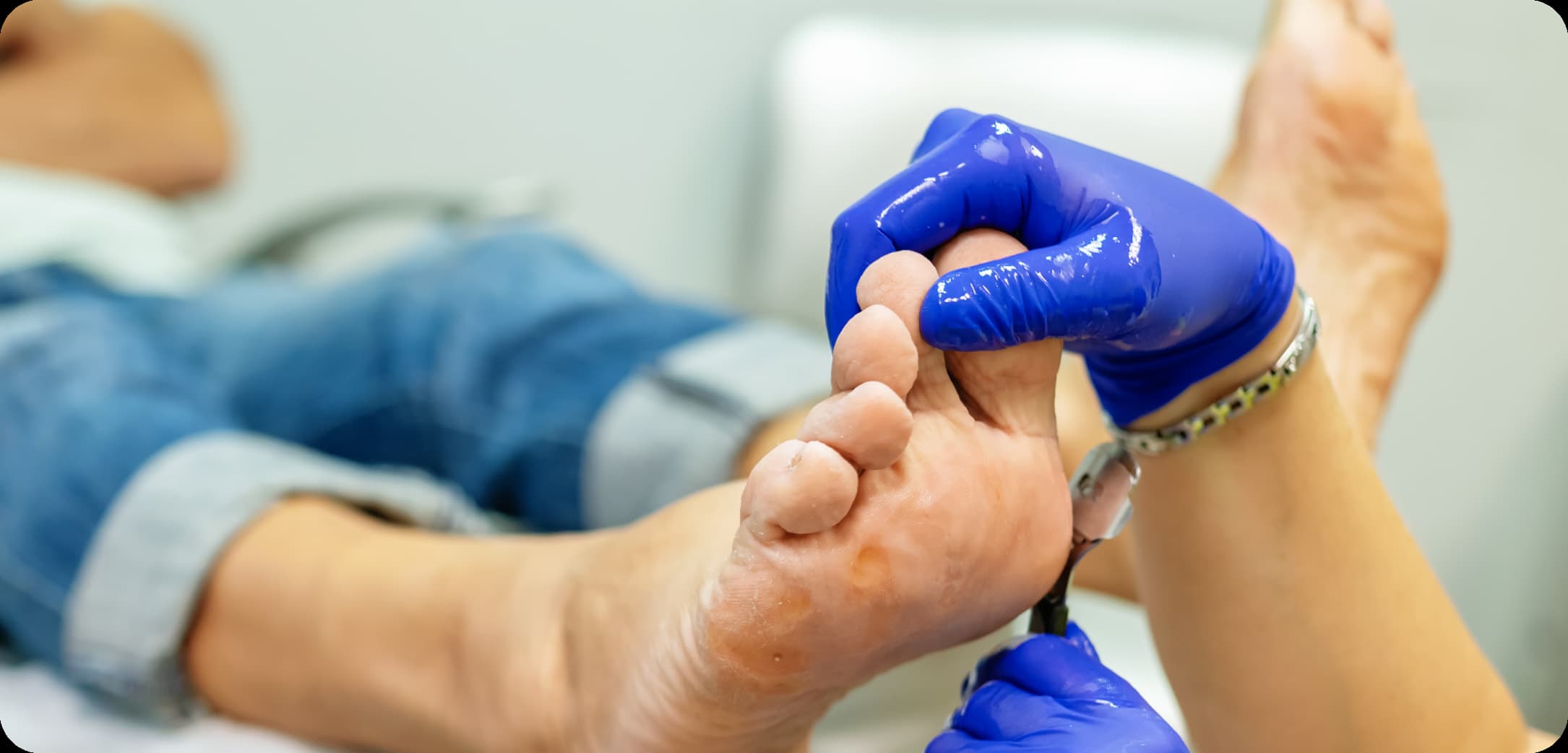
    Diabetes can reduce circulation and cause nerve damage, making it difficult to feel small injuries like blisters or cuts. Regular podiatric check-ups are essential for early detection, helping to manage risks and prevent serious complications. Comprehensive neurovascular assessments provide a proactive management plan to monitor foot health and maintain long-term mobility.

    Our goal is to ensure you stay mobile and healthy by providing professional preventative care. We offer a structured approach to diabetic foot health that includes:

    • Annual neurovascular assessments using specialized equipment to check your circulation and nerve sensation
    • Dermatological care to safely manage corns, calluses, and thick nails that could otherwise lead to pressure sores
    • Wound prevention and management for any areas of concern, utilizing advanced dressings to promote efficient healing
    • Footwear advice to minimize friction and ensure your feet are protected during daily activities
    • Risk categorization and reporting to your GP to ensure your entire medical team is informed of your foot health status
    • Self-care education to help you identify what to look for at home between your scheduled appointments
  • Children’s Podiatry (Pediatrics)

    Children’s Podiatry (Pediatrics)

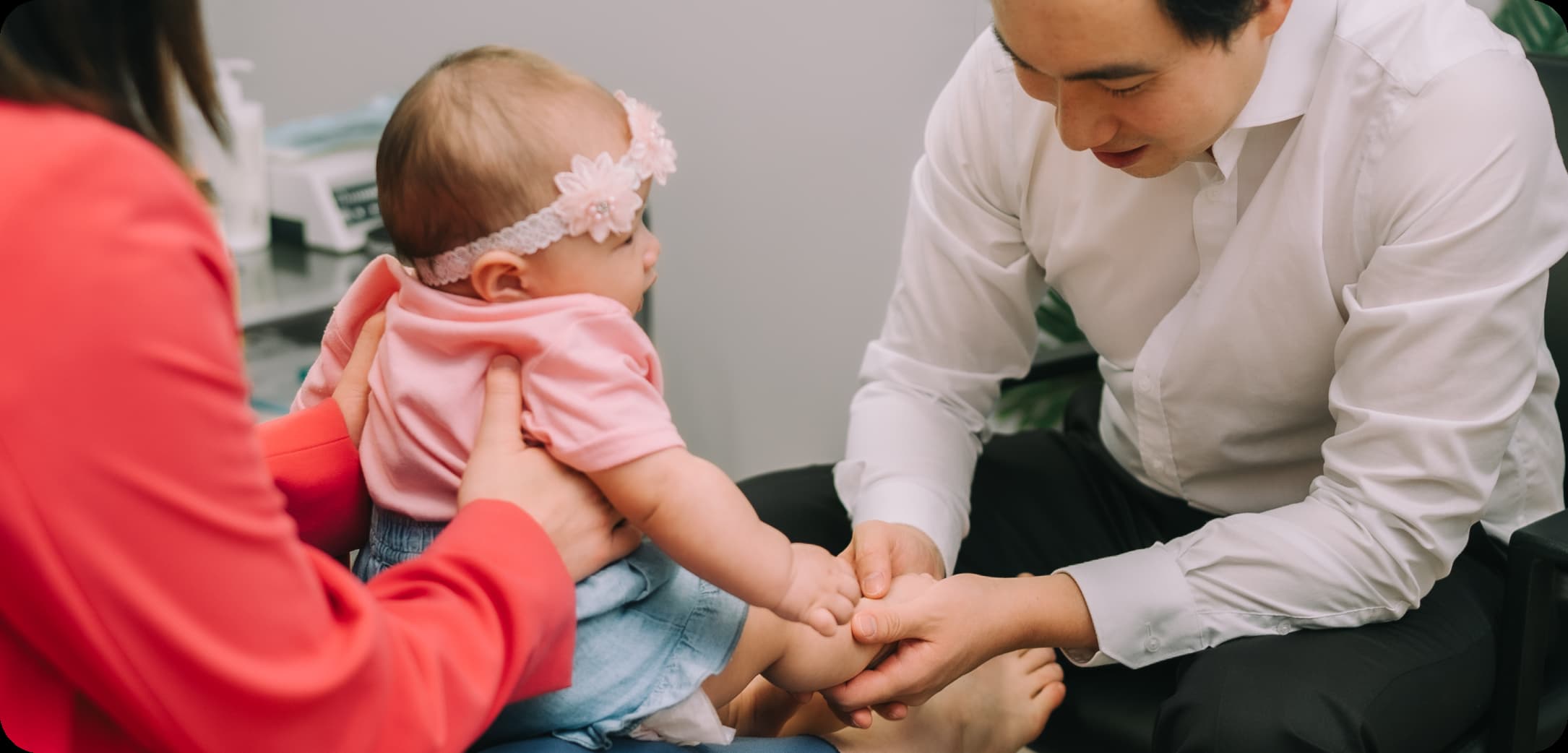
    If a child is tripping often, complaining of growing pains, or walking differently, specialized podiatry can help. Children’s feet are still developing, and early intervention is key to preventing long-term issues. Gentle, non-invasive assessments check alignment and development, ensuring children can stay active and play without discomfort. Creating a friendly environment allows children to feel at ease while supporting their journey toward healthy, natural movement.

    Our podiatrists provide expert assessment for children of all ages, from toddlers taking their first steps to teenagers in competitive sports. We offer practical solutions that fit into your family’s lifestyle to manage common childhood foot concerns, including:

    • Heel pain and Severs disease often caused by growth spurts and high activity levels
    • Walking concerns such as “pigeon toes” (in-toeing), out-toeing, or tip-toe walking
    • Flat feet that cause fatigue or aching in the arches and legs
    • Skin and nail issues including painful ingrown toenails and common plantar warts
    • Footwear advice to ensure school and sport shoes provide the right support for growing bones
  • Fungal Nails

    Fungal Nails

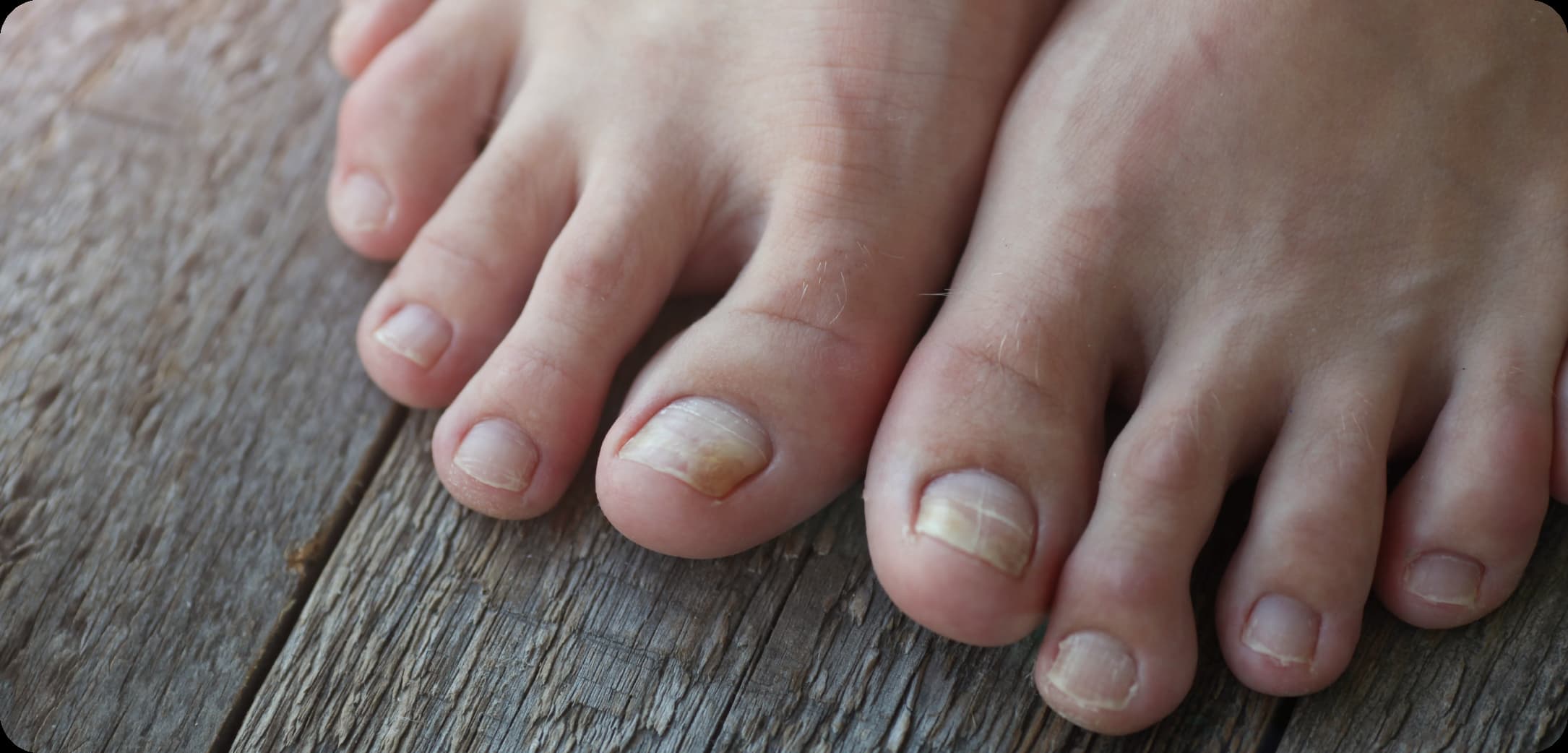
    Fungal nail infections (onychomycosis) are often deep-rooted and difficult to treat with over-the-counter paints alone. Clinical-strength solutions target the fungus at the source to clear discoloration and restore a healthy appearance. Combining expert debridement with advanced therapies accelerates healing and prevents the infection from spreading to other toes.

    We offer a range of professional treatments tailored to the severity of the infection. Our goal is to provide a long-term solution that replaces thickened, brittle nails with clear, healthy growth. Our services for fungal nails include:

    • Clinical nail debridement to safely reduce nail thickness, allowing treatments to penetrate more effectively
    • Medical-grade topical treatments
    • Diagnostic assessment to confirm the presence of fungus and rule out other conditions like psoriasis or trauma
    • Preventative education on footwear hygiene to ensure the infection does not return
  • Shin Splints

    Shin Splints

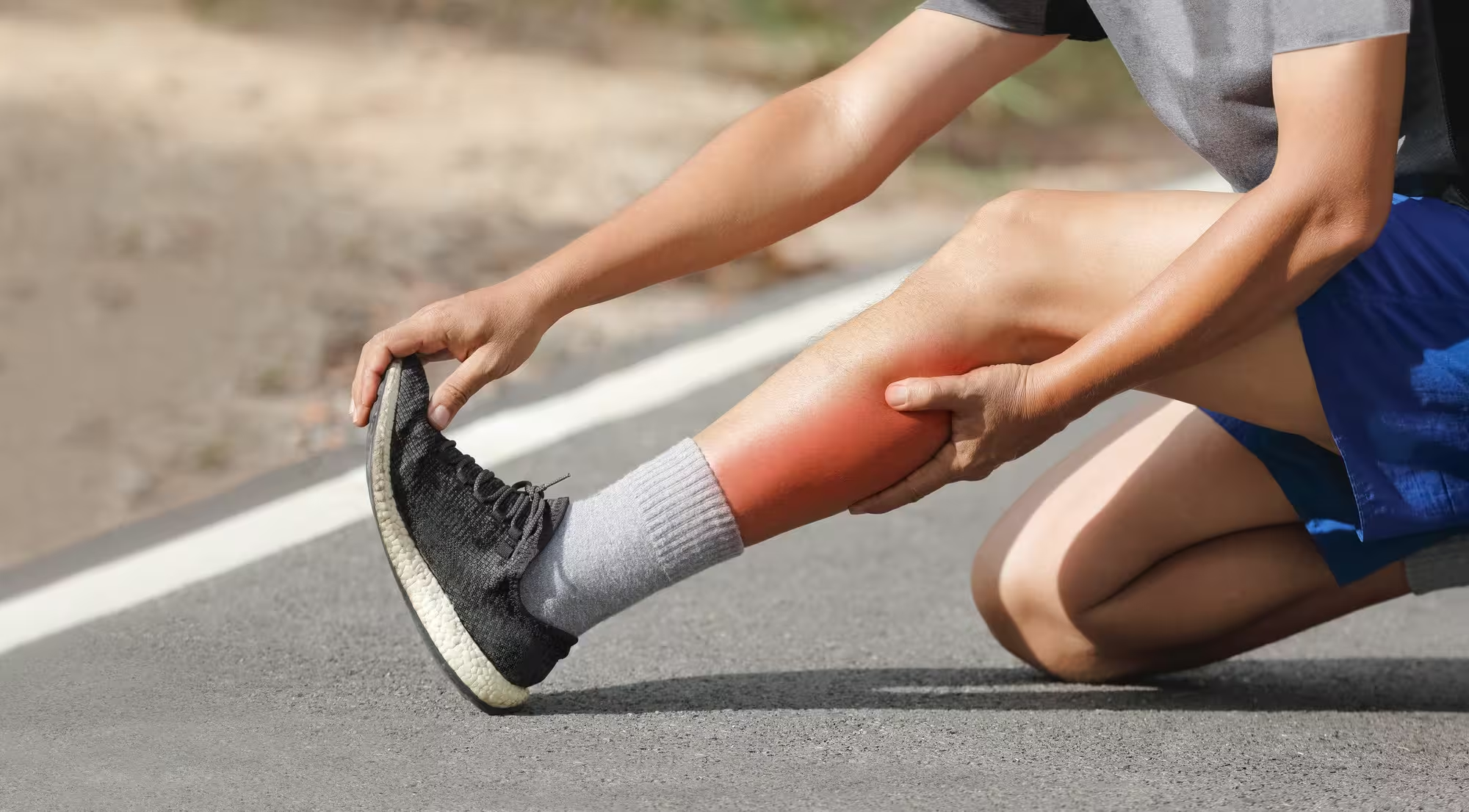
    Pain in the shins is typically caused by repetitive stress on the connective tissues surrounding the shinbone. When your feet overpronate or lack adequate shock absorption, your shin muscles have to work harder to stabilize your leg, leading to inflammation. By correcting these biomechanical imbalances, we reduce the load on your shins and allow irritated tissues to heal.

    Using comprehensive gait analysis, we identify exactly where your movement pattern is breaking down. We manage the common causes of shin pain, including:

    • Medial Tibial Stress Syndrome (MTSS) caused by repetitive strain on the shinbone
    • Anterior tibial pain involving the muscles at the front of the leg that lift the foot
    • Targeted orthotic therapy to improve leg alignment and shock absorption

  • Knee Pain

    Knee Pain

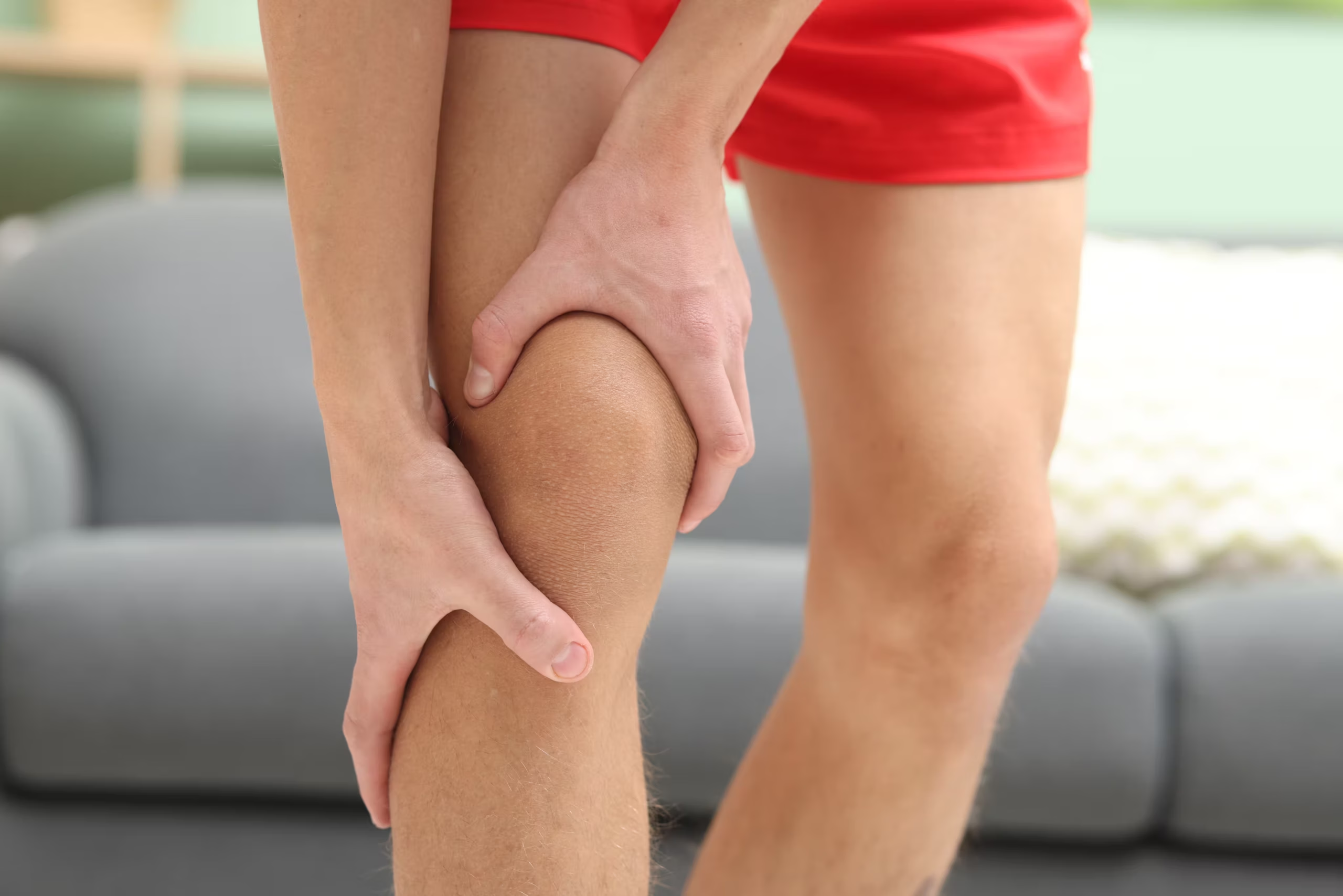
    Knee pain is often a “referred” issue, meaning the real problem starts at your feet. If your feet roll inward or don’t absorb shock well, that stress travels up your leg, pulling your knee out of alignment and straining the joint. By fixing how your feet strike the ground, we can take the pressure off your knees and allow the underlying injury to heal.

    We assess your gait to see exactly how your movement affects your knees, helping us create a plan for recovery. Our treatments focus on restoring proper alignment and muscle function through:

    • Custom orthotics to redirect force and provide structural support
    • Footwear prescriptions to ensure your shoes work with your foot structure and walking gait
    • Load management to prevent long-term bone and joint damage

  • Plantar Fasciitis (Heel Pain)

    Plantar Fasciitis (Heel Pain)

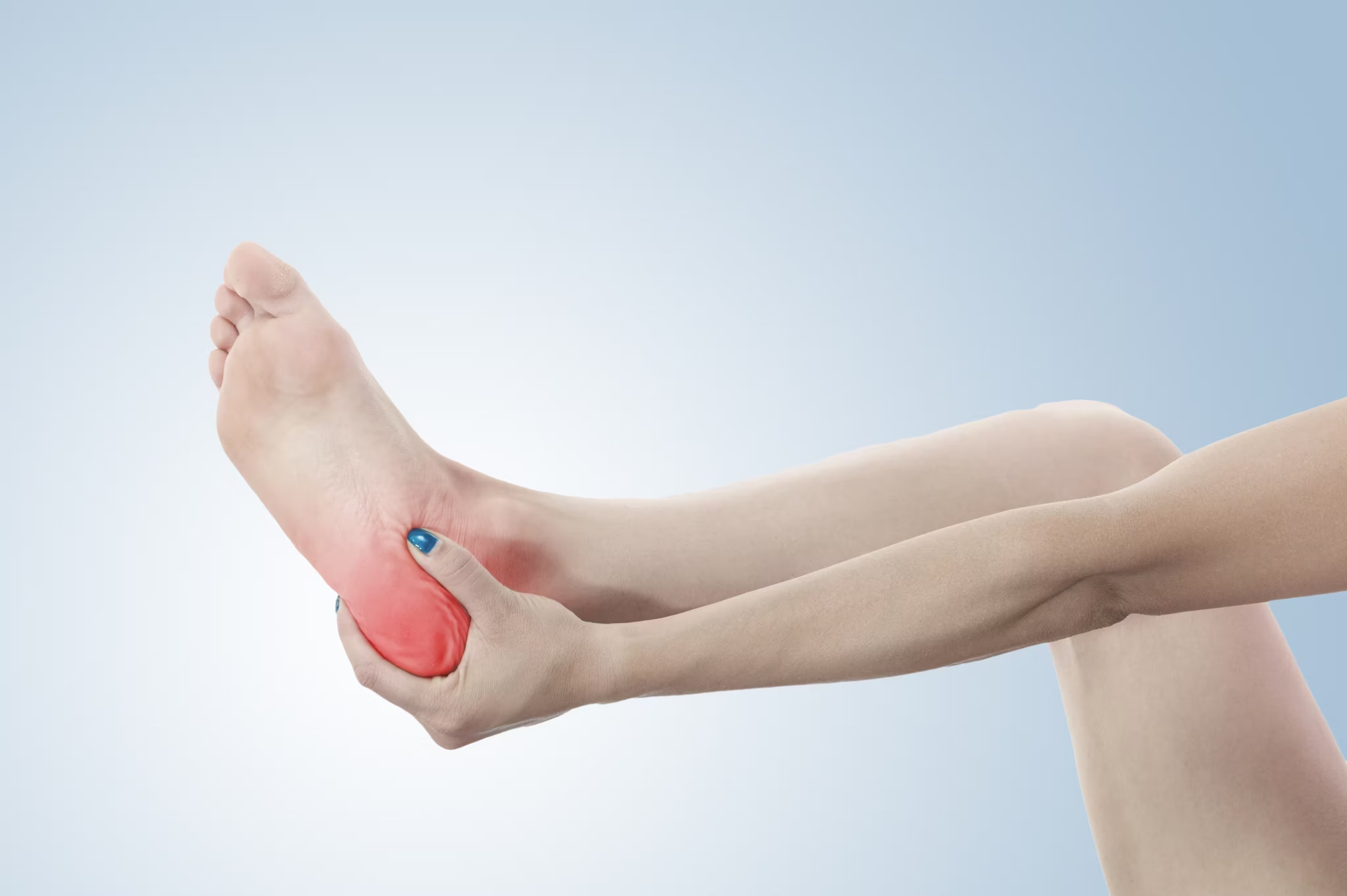
    Plantar fasciitis is one of the most common causes of heel pain. It involves inflammation of the plantar fascia, a thick band of tissue that runs across the bottom of each foot and connects the heel bone to the toes. This condition typically causes a stabbing sensation during the first steps in the morning or after long periods of standing. Addressing the underlying mechanical causes of the strain is essential for providing a solution that prevents the pain from returning.

    The key to recovering from plantar fasciitis is reducing inflammation while supporting the arch of the foot. Our podiatrists use a combination of modern technology and proven clinical techniques to speed up your recovery and provide long-term relief. Your personalized treatment plan may include:

    • Shockwave therapy to stimulate healing in the damaged tissue
    • Custom orthotics to provide arch support and redistribute pressure
    • Dry needling to release tension in the surrounding calf and foot muscles
    • Taping and strapping for immediate support during the acute phase of pain
    • Strengthening programs designed to improve your foot mechanics and resilience
  • Morton’s Neuroma

    Morton’s Neuroma

    Morton’s neuroma involves the thickening of tissue around the nerves leading to the toes, causing sharp, burning pain or the sensation of standing on a folded sock. Often triggered by narrow footwear or high-impact activities, this compression typically affects the area between the third and fourth toes. Addressing the underlying mechanical causes is essential for relieving nerve tension and restoring long-term comfort.

    Our podiatrists prioritize non-invasive treatments to reduce nerve inflammation and prevent the need for surgical intervention. By addressing the mechanical causes of the compression, we can provide significant long-term relief. Your personalized treatment plan may include:

    • Footwear modification including a switch to wider toe-box shoes to reduce lateral pressure
    • Custom orthotics designed to offload the affected nerve and improve foot alignment
    • Foot mobilisation techniques to improve joint range of motion and ease nerve tension
    • Dry needling to reduce muscle tightness in the surrounding area and aid pain management
    • Surgical consultation as a last resort for rare cases that do not respond to conservative care
  • Metatarsalgia (Ball of Foot Pain)

    Metatarsalgia (Ball of Foot Pain)

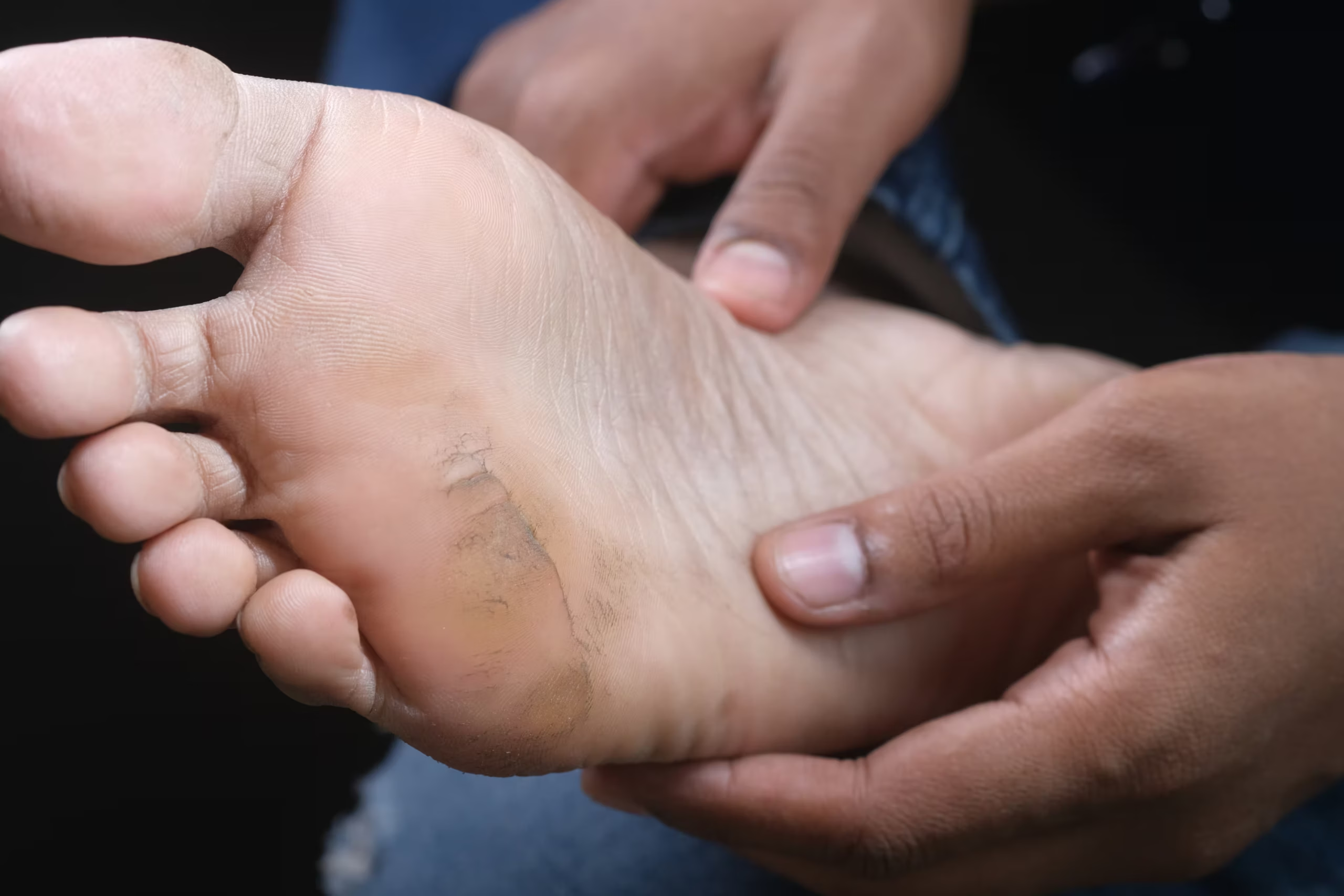
    Metatarsalgia is characterized by a sharp, burning pain or a pebble-like sensation in the ball of the foot. Often triggered by high arches, flat feet, or improper footwear, this inflammation typically worsens during walking or running. Identifying the specific structural or gait-related cause is essential for redistributing pressure and achieving lasting relief.

    Managing metatarsalgia involves redistributing pressure away from the ball of the foot to allow the inflamed tissue to heal. Our podiatrists focus on both immediate pain relief and long-term mechanical corrections. Your personalized treatment plan may include:

    • Custom orthotics to provide enhanced support and correct weight distribution
    • Metatarsal padding to cushion the affected area and reduce direct impact
    • Footwear modification including advice on wide toe-box shoes and arch support
    • Activity and weight management to minimize stress on the forefoot during recovery
    • Clinical-strength anti-inflammatory strategies to manage acute discomfort and swelling

  • Cracked Heels

    Cracked Heels

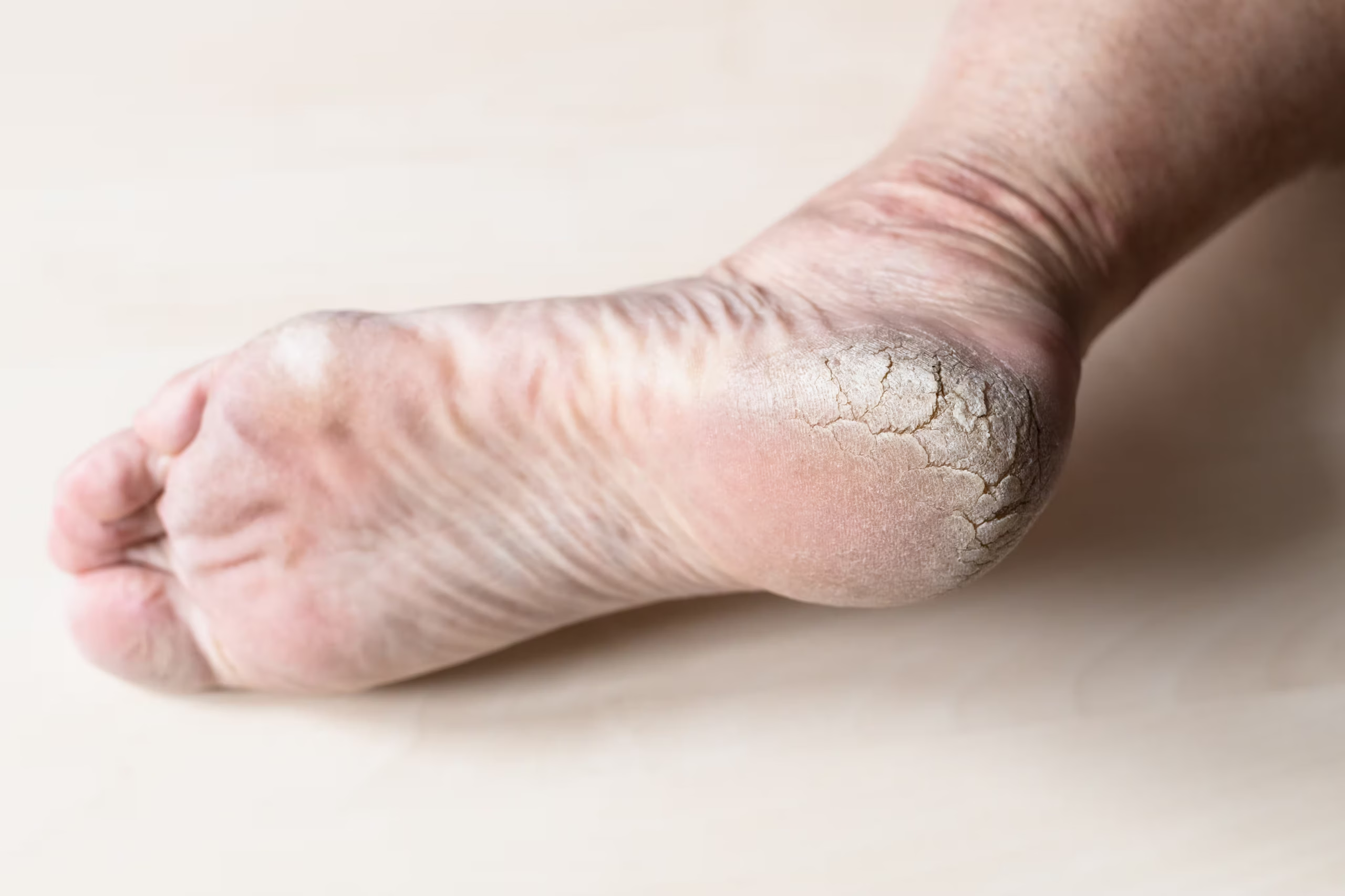
    Cracked heels, also known as heel fissures, occur when the skin around the edge of the heel becomes dry, thickened, and eventually splits. These cracks are often more than a cosmetic concern; when deep, they can lead to significant pain, bleeding, and a high risk of infection. While frequent standing and open-back footwear are common causes, identifying underlying factors such as gait imbalances is essential to resolving the excessive pressure on your heels.

    While moisturising is helpful, deep fissures often require clinical intervention to heal safely. Our podiatrists provide specialized treatments to remove hard skin and promote healthy tissue regeneration. Your personalized care plan may include:

    • Professional debridement to safely and painlessly remove thickened, dead skin
    • Clinical-strength emollient therapy to restore deep hydration to the skin
    • Clinical-strength emollient therapy to restore deep hydration to the skin
    • Custom orthotics to redistribute weight and reduce the mechanical stress on your heels
    • Long-term prevention advice on footwear and daily skin maintenance to keep your heels smooth

  • Calf Pain and Cramps

    Calf Pain and Cramps

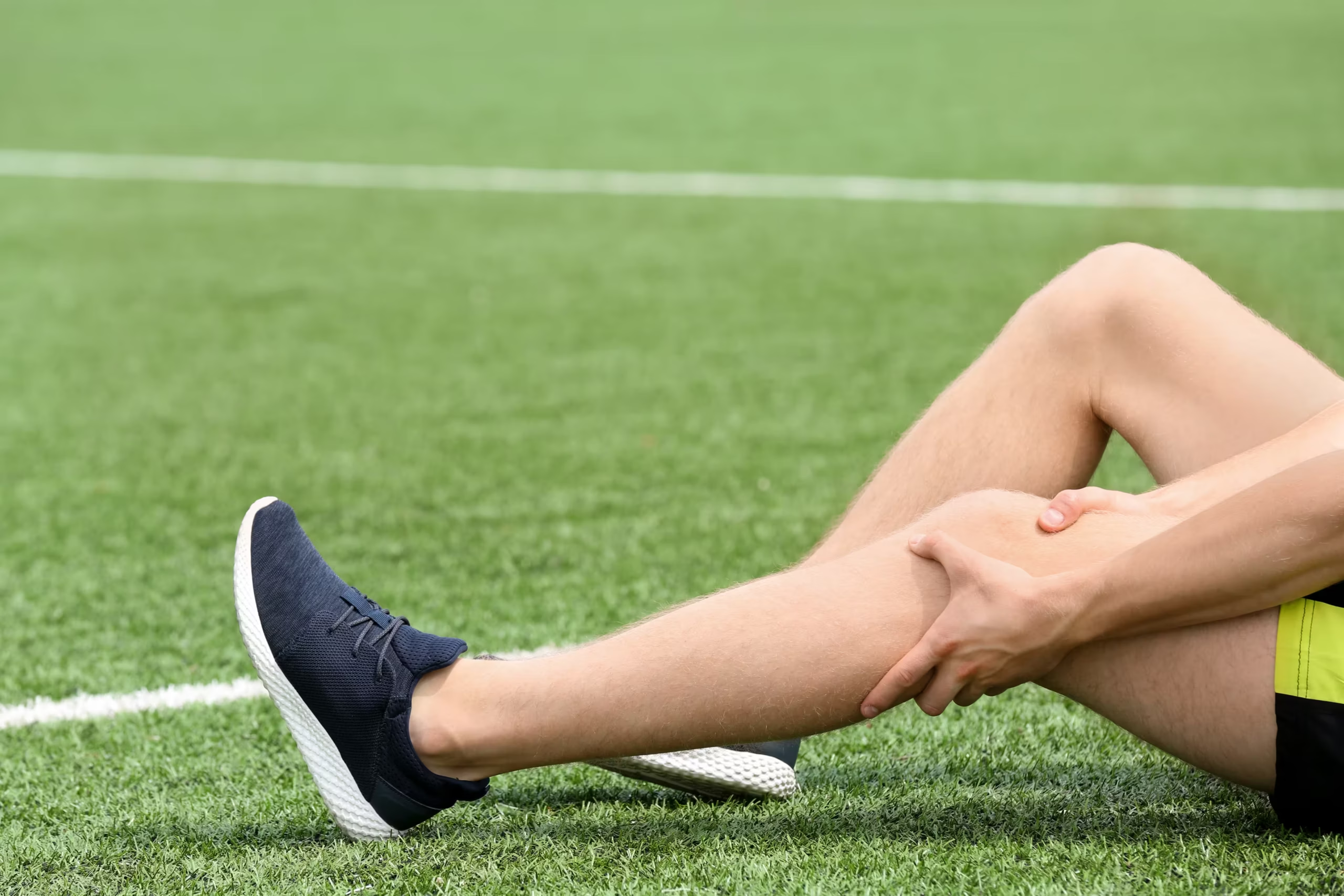
    Calf pain and cramping can range from a dull ache to sharp, sudden contractions that disrupt movement. While often caused by muscle overuse or dehydration, these symptoms can also be triggered by improper footwear or sudden changes in exercise intensity. Determining whether this tightness is a simple strain or a sign of a more complex biomechanical issue is essential for achieving lasting relief and preventing recurrence.

    Relieving calf pain requires a combination of immediate relief and long-term prevention. Our podiatrists focus on restoring muscle flexibility and ensuring your feet are properly supported to reduce the workload on your lower legs. Your personalized recovery plan may include:

    • Gentle stretching and mobilization to alleviate tightness and improve flexibility
    • Custom orthotics to correct foot alignment and reduce strain on the calf muscles
    • Compression therapy advice to support circulation and reduce swelling
    • Footwear assessment to ensure your shoes provide the necessary arch support and cushioning
    • Load management strategies to help you return to physical activity safely
    • Dry needling to release deep muscle tension