Author: podiatry

  • Cracked Heels (Dry, Split Heels)

    Cracked Heels (Dry, Split Heels)

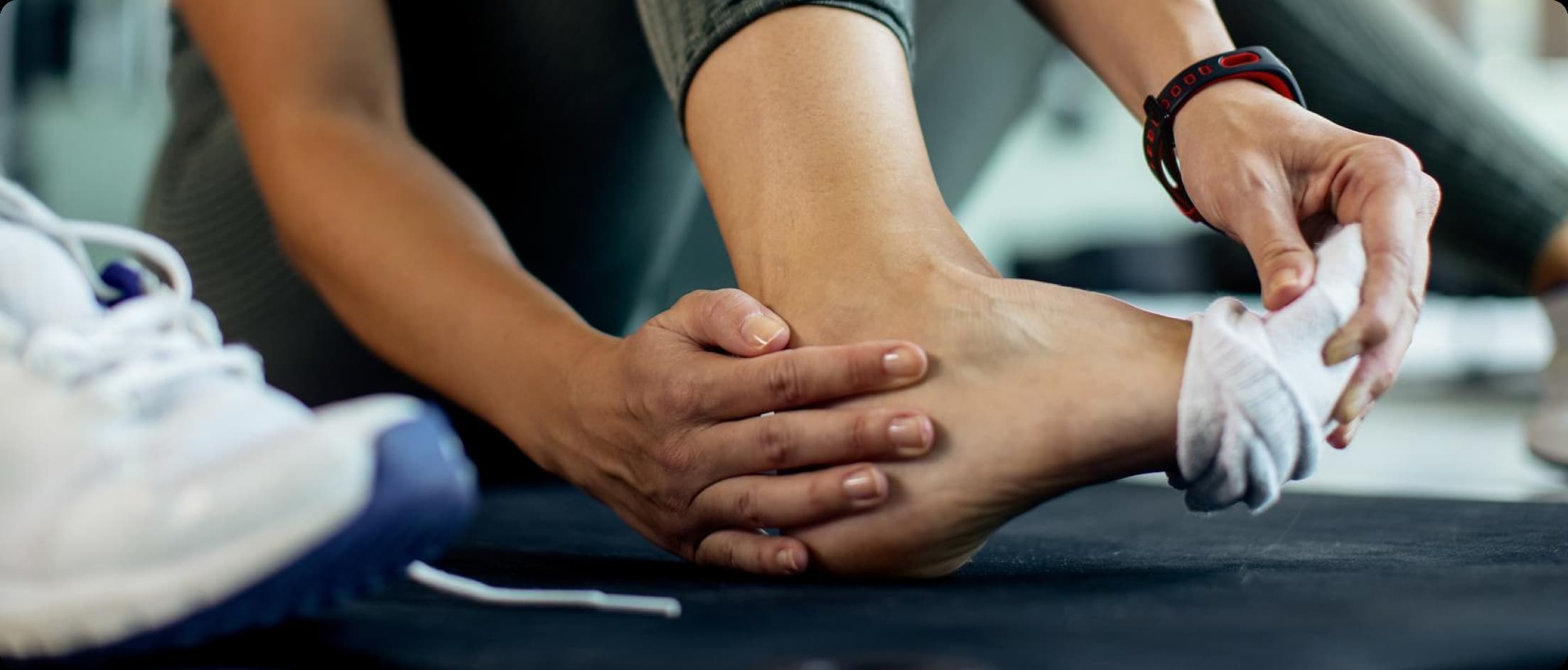
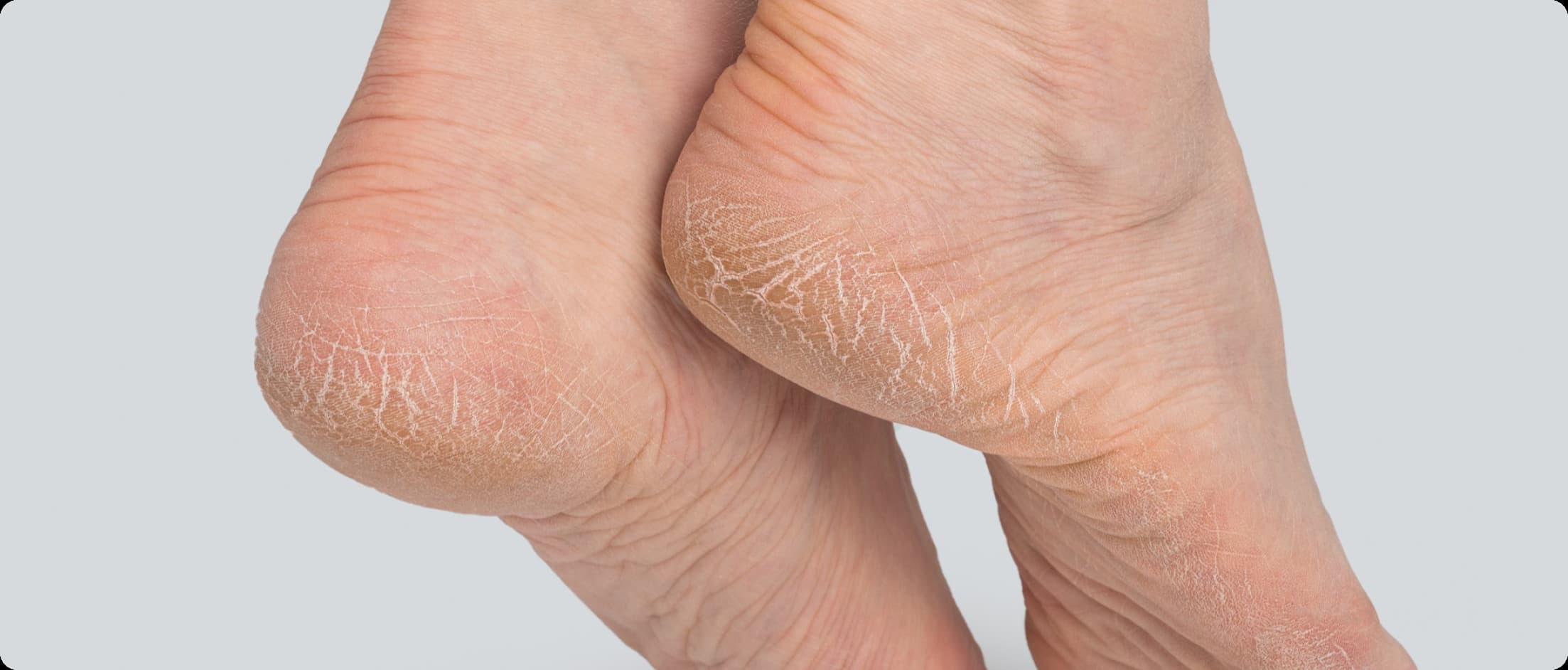
    Do you have dry, cracked, or painful heels? Cracked heels, also known as heel fissures, can become uncomfortable and, in more severe cases, lead to bleeding and infection if left untreated.

    Cracked heels develop when the skin around the heel becomes dry, thickened, and less flexible. Pressure on the heel causes the skin to split.

    Common causes include:

    • Open-back footwear such as thongs or sandals
    • Dry weather and dehydration (common in Perth summers)
    • Not moisturising regularly
    • Prolonged standing or walking
    • Excess pressure from body weight
    • Poor foot care or skin conditions

    You may require treatment if you notice:

    • Deep cracks or splits in the heel
    • Pain when walking or standing
    • Bleeding or signs of infection
    • Thick, hard skin buildup around the heel

    At our clinic, treatment focuses on safely removing thickened skin and restoring healthy skin function.

    This may include:

    • Debridement (removal of hard, cracked skin)
    • Smoothing and reduction of callus buildup
    • Medical-grade moisturising treatments
    • Footwear advice to reduce pressure on the heels
    • Ongoing care to prevent recurrence

    If your cracked heels are painful, bleeding, or not improving with home care, it’s important to seek professional treatment. Our podiatry team can safely treat cracked heels, relieve discomfort, and help prevent the problem from returning.


  • Foot Pain First Thing in the Morning?

    Foot Pain First Thing in the Morning?

    Do you experience sharp pain in your feet or legs when you take your first steps in the morning? This is a very common symptom and can make it difficult to walk comfortably at the start of your day.

    You may also notice similar pain after long periods of sitting, such as after a lunch break or a long drive.

    This type of pain is often due to a condition known as post-static dyskinesia, which refers to pain and stiffness after periods of rest.

    It is commonly associated with conditions such as Plantar fasciitis, where the tissues in the foot become tight and shortened during inactivity, such as sleeping or sitting.

    When you first stand up, the sudden stretching of these tissues can cause sharp pain. As you continue walking, the foot “warms up” and the pain usually reduces—however, it may return again after periods of rest.

    Morning foot pain is often associated with:

    • Plantar fasciitis (heel pain)
    • Tight calf muscles
    • Achilles tendon irritation
    • Foot joint stiffness

    Treatment focuses on reducing tension in the affected tissues and improving foot function. This may include:

    • Foot mobilisation and manual therapy
    • Stretching programs for the calf and foot
    • Dry needling to release tight muscles
    • Custom orthotics to support foot structure
    • Footwear advice to reduce strain on the foot

    If you are experiencing foot pain first thing in the morning or after periods of rest, it’s important to address it early. Our podiatry team can assess your condition, identify the underlying cause, and provide a personalised treatment plan to relieve pain and prevent it from returning.

  • Getting Back Into Exercise Safely

    Getting Back Into Exercise Safely

    Returning to exercise this summer? Understanding common injuries and prevention strategies is key to staying active and injury-free.

    Growing Pains in Active Children

    Growing pains are common in active children, particularly between the ages of 8–16. These symptoms may be linked to underlying conditions such as Sever’s disease and Osgood-Schlatter disease, which occur due to stress on developing bones and tendons.

    Shin Splints (Medical Tibial Stress Syndrome)

    Shin splints are a common cause of pain along the shin bone, especially when increasing running or walking intensity too quickly. Symptoms often worsen with activity and may progress if not properly managed. Ignoring shin pain can lead to more serious conditions, so early treatment is important.

    Achilles Tendinitis

    Achilles tendinitis is another frequent issue, particularly in adults returning to exercise. It is often caused by tight calf muscles, poor footwear, or a sudden increase in activity levels.

    Taking a gradual and structured approach is key to avoiding injury:

    • Gradually increase your exercise intensity and duration
    • Wear supportive, well-fitted footwear
    • Incorporate stretching and strengthening exercises
    • Allow adequate recovery time between sessions
    • Consider orthotics to improve foot support and alignment

    If you experience ongoing pain in your feet, heels, or legs when returning to exercise, it’s important to seek professional advice. Our podiatrist can assess your movement, identify underlying issues, and provide a personalised treatment plan to help you return to activity safely and confidently.

    If you experience ongoing pain in your feet, heels, or legs when returning to exercise, it’s important to seek professional advice. Our podiatrist can assess your movement, identify underlying issues, and provide a personalised treatment plan to help you return to activity safely and confidently. Don’t let pain stop you from getting back into exercise—see our podiatrist for expert assessment, personalised treatment, and long-term injury prevention.

  • Antiobiotics Haven’t Fixed Your Ingrown Toenail?

    Antiobiotics Haven’t Fixed Your Ingrown Toenail?

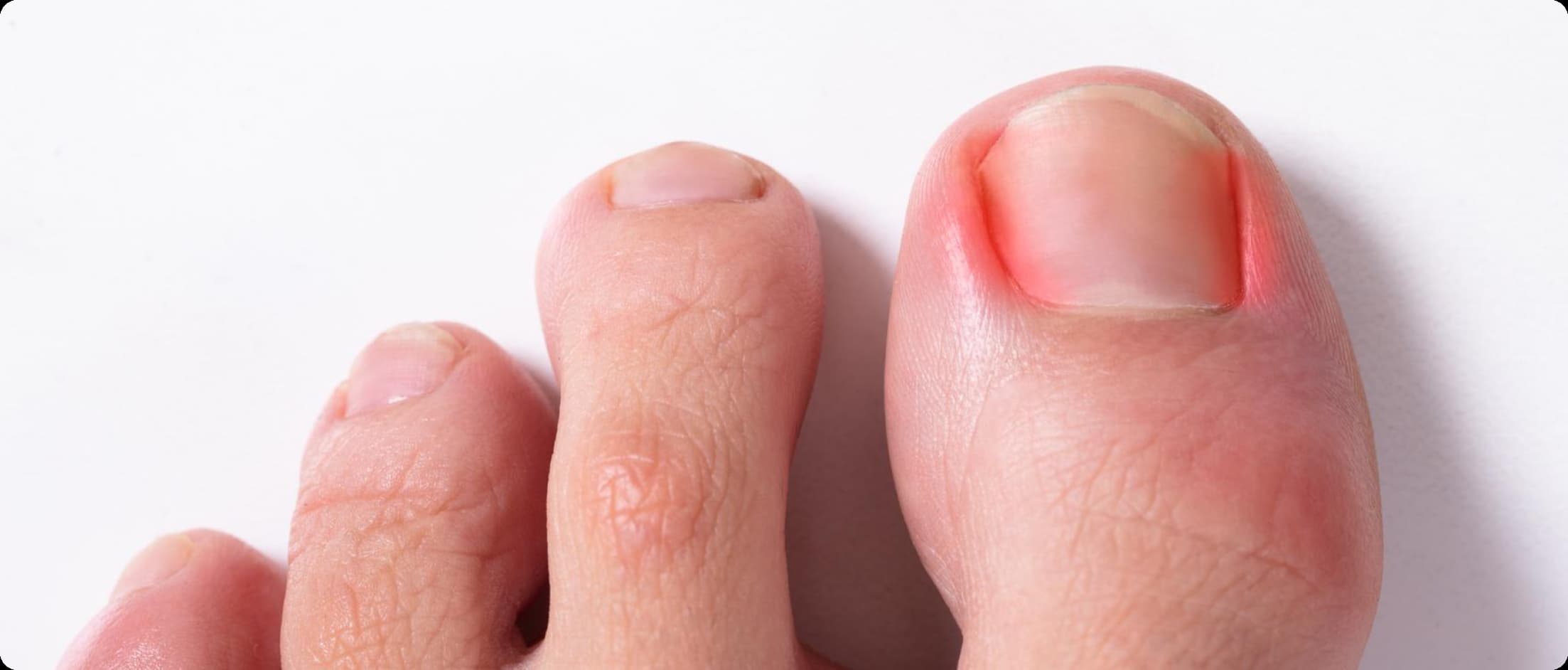
    If antibiotics haven’t resolved your ingrown toenail, you’re not alone. While antibiotics can help reduce infection and inflammation, they do not treat the underlying cause of an ingrown toenail, the portion of nail growing into the skin.

    In many cases, the ingrown section of the nail must be carefully removed by a podiatrist to relieve pain and prevent the problem from returning.
    Antibiotics are only effective when there is an active infection. They may temporarily reduce redness, swelling, and discharge, but they do not correct the nail shape or remove the part of the nail causing irritation.

    As a result, symptoms often return once the course of antibiotics is completed.

    A simple in-clinic procedure can provide fast and lasting relief. This is typically performed under local anaesthetic, where the ingrown portion of the nail is removed to eliminate pressure and pain.

    For recurrent or severe cases, a more permanent solution may be recommended.

    If you’re experiencing ongoing pain or infection, see our podiatrist in Atwell, Beeliar and Piara Waters for expert ingrown toenail treatment and long-term relief.

  • What are ‘Growing Pains’?

    What are ‘Growing Pains’?

    Growing pains are a common cause of leg and foot discomfort in active children, typically occurring between the ages of 10–16. These symptoms are often seen in children with hypermobile joints or flat feet and are usually linked to increased physical activity.

    While often considered a normal part of development, ongoing pain should not be ignored, especially if it begins to affect your child’s daily activities or sports performance.

    Growing pains are often related to stress placed on developing bones, muscles, and tendons. In many cases, the pain is linked to specific conditions affecting the feet and knees.

    One of the most common causes of heel pain in children is Sever’s disease, which affects the growth plate at the back of the heel. This occurs where the Achilles tendon attaches to the heel bone and is especially common in active children whose bones are still developing.

    Another common condition is Osgood-Schlatter disease, which causes pain just below the kneecap. Like heel pain, it is linked to repetitive stress and high levels of activity during growth phases.

    Children experiencing growing pains may report:

    • Aching or throbbing pain in the legs, heels, or knees
    • Discomfort after sports or physical activity
    • Tenderness in the heel or below the kneecap
    • Pain that may come and go, often worse at night

    Treatment focuses on reducing strain on growing joints and supporting healthy movement.

    Short-term relief may include rest, ice application, and activity modification to allow the affected area to recover.

    Long-term management may include:

    • Custom orthotics to support flat feet and improve alignment
    • Stretching programs to reduce muscle tightness
    • Supportive footwear recommendations
    • Bracing if required for more severe cases

    If your child is experiencing persistent heel, knee, or foot pain, it’s important to seek professional advice. Our podiatrists can assess your child’s foot structure, identify the underlying cause, and provide a treatment and personalised treatment plan to support healthy growth and prevent ongoing pain.

  • Burning, Numbness and Tingling in the Ball of the Foot

    Burning, Numbness and Tingling in the Ball of the Foot

    Experiencing burning, numbness, or tingling in the ball of your foot can be uncomfortable and concerning. These symptoms are often linked to nerve irritation, with one of the most common causes being Morton’s neuroma.

    This condition affects the nerves between the metatarsal bones and can lead to persistent pain, especially when walking or wearing tight footwear.

    Nerves run between the metatarsal bones in your feet, and when excessive pressure is applied, the surrounding soft tissues can become inflamed. This inflammation puts pressure on the nerves, leading to symptoms such as burning sensations, numbness, tingling, or sharp pain in the ball of the foot.

    This condition is more common in individuals with high arches or those who frequently wear unsupportive or tight footwear, including high heels.

    Morton’s neuroma is a painful condition involving thickening of the tissue around a nerve in the ball of the foot. It typically occurs between the third and fourth toes and can feel like a burning pain, tingling, or the sensation of standing on a pebble.

    Without proper treatment, symptoms may worsen over time and begin to interfere with daily activities such as walking, running, or standing for long periods.

    Effective treatment focuses on reducing pressure on the affected nerve and addressing the underlying cause.

    Treatment options may include:

    • Footwear advice to reduce pressure on the forefoot
    • Custom orthotics to redistribute weight and support the foot
    • Soft tissue therapy to relieve muscle tension in the foot and leg
    • Activity modification to reduce irritation
    • Advanced treatments if symptoms persist

          If you are experiencing ongoing burning, numbness, or tingling in the ball of your foot, it’s important to seek professional care. Our podiatrists can assess your foot mechanics, diagnose the cause of your nerve pain, and provide a personalised treatment plan to relieve symptoms and prevent recurrence.

        • Corn vs Wart: What’s the Difference?

          Corn vs Wart: What’s the Difference?

          Corns and warts are common foot conditions that can look very similar, but understanding the difference is important as they have different causes and require different treatments. If left untreated, both can become painful and affect your ability to walk comfortably.

          A corn is a thickened area of skin that develops due to repeated pressure or friction, often from tight or ill-fitting footwear. Corns typically form on weight-bearing areas such as the tops of toes or the balls of the feet.

          They are caused by mechanical stress rather than infection, and are common in people who spend long periods walking, running, or standing. Treatment usually involves removing the hardened skin and reducing pressure on the affected area using proper footwear or padding.

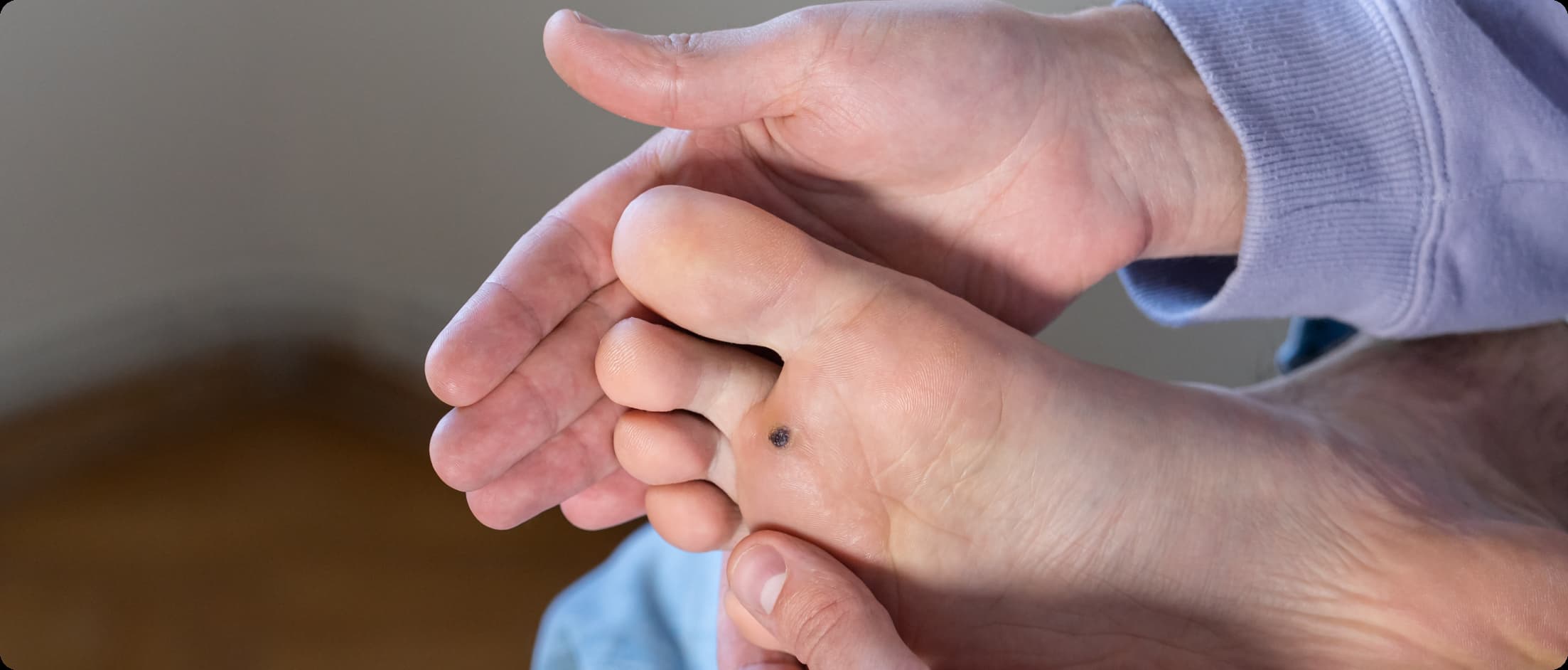
          A wart on the foot (also known as a plantar wart) is a viral skin infection caused by the human papillomavirus (HPV). Unlike corns, warts can spread and may appear in clusters.

          Warts often develop after contact with contaminated surfaces such as public showers, swimming pools, or change rooms, places commonly encountered in Perth’s active lifestyle. They may also be more common in children or individuals with a weakened immune system.

          • Contagious: Corns are not contagious, but warts can spread through skin contact or shared surfaces
          • Cause: Corns are caused by pressure and friction, while warts are caused by a viral infection (HPV)
          • Appearance: Corns are hard and thickened with a central core, while warts may have a rough surface with tiny black dots
          • Pain Type: Corns hurt when direct pressure is applied, while warts can be painful when squeezed from the sides

          Treatment depends on the correct diagnosis. Corns are typically treated by carefully removing the thickened skin and addressing the underlying cause, such as pressure from footwear. Offloading techniques and footwear advice are key to preventing recurrence.

          Warts may require targeted treatments such as salicylic acid, cryotherapy (freezing), or in some cases minor surgical removal if conservative treatments are unsuccessful.

          If you are unsure whether you have a corn or a wart, it is important to seek professional advice. Our podiatrists can accurately diagnose the condition and provide the most effective treatment to relieve pain and prevent it from returning.

          Warts may require targeted treatments such as salicylic acid, cryotherapy (freezing), or in some cases minor surgical removal if conservative treatments are unsuccessful.

        • Why Am I Getting Calf Cramps?

          Why Am I Getting Calf Cramps?

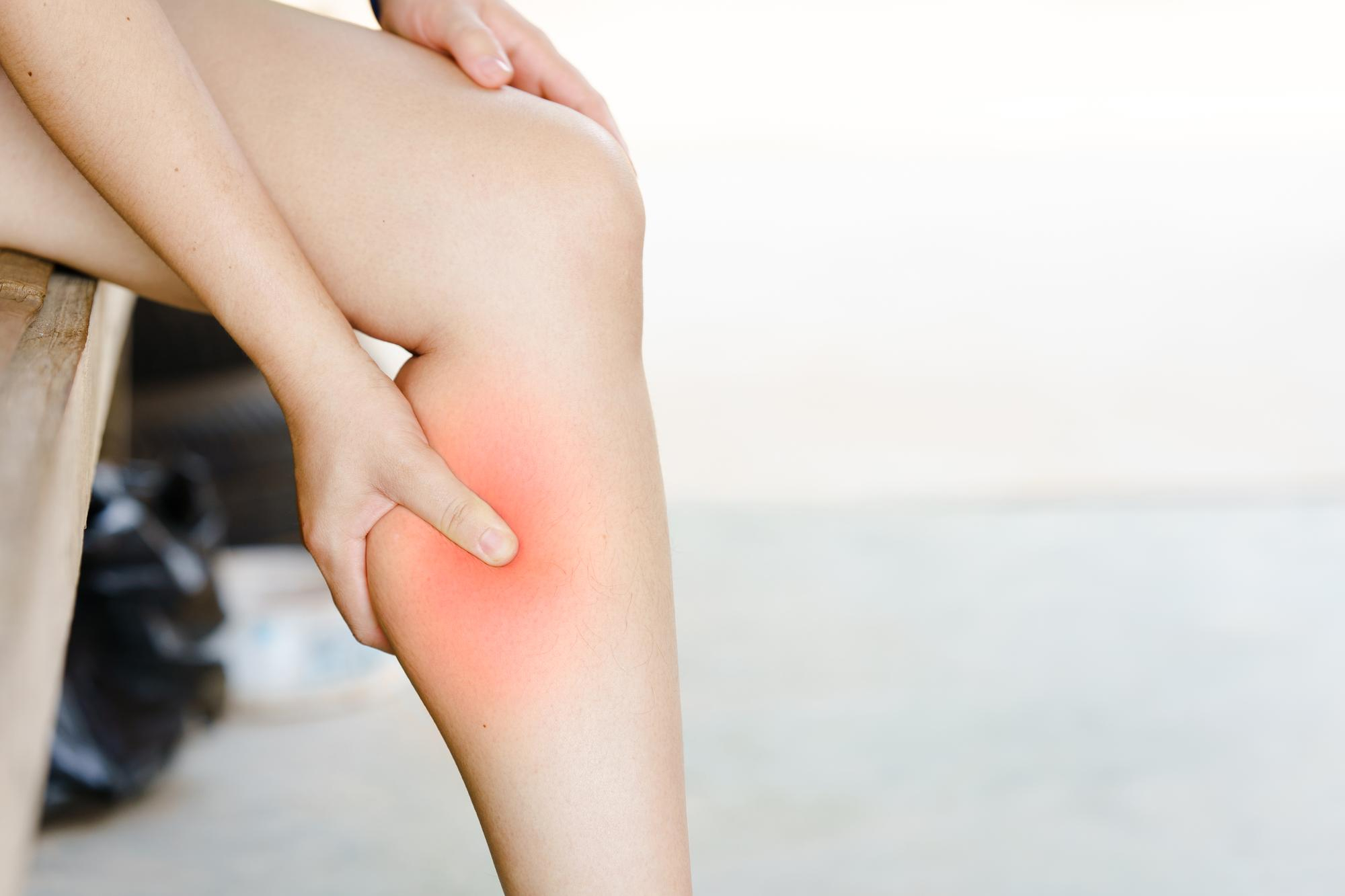
          Experiencing cramping in your calves during exercise or at night? Calf cramps are a common issue and can range from mild discomfort to sudden, painful muscle spasms that disrupt your activity or sleep.

          Understanding the cause of your cramps is key to finding the right treatment.

          Exercise-Related Calf Cramps


          Exercise cramps can occur during or after physical activity, especially when muscles are fatigued or overloaded. They are commonly linked to:

          • Muscle fatigue or overuse
          • Sudden increase in activity or intensity
          • Tight calf muscles
          • Dehydration or electrolyte imbalance

          Treatment may include:

          • Calf stretching and strengthening programs
          • Dry needling to relieve muscle tightness
          • Improving footwear and biomechanics
          • Orthotics to support walking and running patterns

          Night Cramps (Nocturnal Leg Cramps)

          Night cramps occur suddenly, often waking you from sleep with sharp pain in the calf muscles. These are common and can be caused by:

          • Muscle fatigue or tightness
          • Dehydration
          • Nerve irritation
          • Prolonged sitting or inactivity
          • Underlying medical conditions in some cases

          While occasional cramps are common, frequent or severe night cramps may require further assessment.

          You should seek professional advice if you experience:

          • Frequent or worsening cramps
          • Cramping that interferes with sleep or daily activity
          • Associated swelling, numbness, or weakness
          • A history of circulation issues or medical conditions

          Treatment focuses on addressing the underlying cause and preventing recurrence. This may include:

          • Stretching and mobility exercises
          • Manual therapy and muscle release techniques
          • Dry needling
          • Footwear and biomechanical assessment
          • Orthotics where required

          If you are experiencing ongoing calf cramps, it’s important to identify the underlying cause. Our podiatry team can assess your movement, muscle function, and foot mechanics to provide a personalised treatment plan and long-term relief.

        • Blister-Free Running and Walking in Australia

          Blister-Free Running and Walking in Australia

          Learn how to prevent blisters when running or walking with expert podiatry tips on proper footwear, moisture control, and effective foot care strategies designed to keep your feet comfortable and pain-free.

          Blisters are commonly caused by friction, heat, and moisture buildup during physical activity, especially when wearing ill-fitting shoes or damp socks. Repetitive movement during running or long walks around Perth increases pressure on certain areas of the feet, leading to skin irritation and fluid-filled blisters that can affect your performance and daily comfort.

          Blisters develop when constant rubbing creates damage to the outer layer of the skin. This is often made worse by sweat and heat, which soften the skin and make it more vulnerable to irritation, particularly in warm climates like Perth. Poorly fitted footwear, long-distance walking, and inadequate socks are the most common triggers.

          Preventing blisters starts with reducing friction and keeping your feet dry. Choosing the right footwear and preparing your feet before activity whether you’re running along the coast or walking through parks can make a significant difference.

          Wearing well-fitted, breathable shoes is essential for reducing pressure points and friction. Shoes should provide enough room for your toes while offering proper support for your walking or running style, especially for active lifestyles in Perth.

          Moisture-wicking socks help keep your feet dry and reduce rubbing inside your shoes. Avoid cotton socks, as they trap moisture and increase the likelihood of blisters forming.

          Taking preventative measures before activity can significantly reduce your risk. Applying anti-friction balms, using blister pads, or taping high-friction areas such as heels and toes can help protect your skin during longer walks or runs.

          Maintaining good foot hygiene is key to long-term blister prevention. Keep your feet clean and dry, change socks regularly, and allow your shoes to air out between uses to prevent moisture buildup.

          If you experience frequent, painful, or infected blisters, it may be time to seek professional care. Our podiatrists can assess your foot structure, recommend appropriate footwear, and provide tailored treatment to prevent recurring issues.